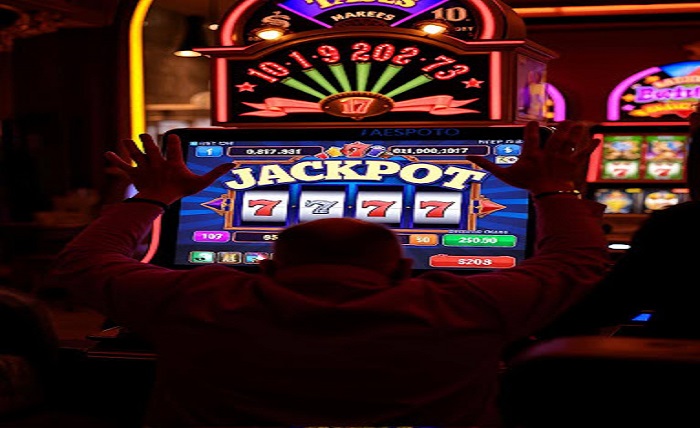
The online casino industry is currently undergoing a creative renaissance. Gone are the days when a slot machine was merely a grid of fruit symbols on a static background. Today, slot design is a sophisticated intersection of psychological engineering, cinematic storytelling, and high-performance software development. As player expectations rise, developers are pushing the boundaries of what a “game” can look like. For enthusiasts looking to experience these cutting-edge visual transformations firsthand, BetOne offers a curated selection of the most innovative titles that define modern aesthetic standards.
In this article, we explore the dominant trends shaping the future of slot design and how they are changing the way we perceive digital entertainment.
From 2D to “Cinematic 3D”
One of the most visible trends is the shift toward three-dimensional environments. Modern slots no longer feel like flat images; they feel like living worlds.
- Depth of Field: Developers use “parallax scrolling” where background layers move slower than foreground layers, creating an illusion of 3D depth.
- Character Animation: Leading slots now feature a protagonist who stands beside the reels, reacting to wins, losses, and bonus triggers with high-quality animations similar to those found in Pixar films.
- Intros and Cutscenes: Many games now open with a cinematic trailer that sets the narrative, making the transition from a “gambling product” to an “entertainment product” seamless.
Vertical-First and Mobile-Centric Layouts
Since over 70% of players now access slots via mobile devices, the “Mobile-First” design philosophy has become the industry standard. This has led to the rise of Portrait Mode optimization.
Traditionally, slots were designed for widescreen monitors. However, the new trend involves designing games specifically for one-handed vertical play. This includes moving the “Spin” button to the bottom center (the “thumb zone”) and ensuring that UI elements don’t clutter the smaller screen.
Comparison: Traditional Design vs. Modern Trends
| Feature | Classic Slot Design | Modern “Trend-Driven” Design |
| Graphics | 2D static sprites, simple colors | 3D models, dynamic lighting, 4K textures |
| Interface | Fixed dashboard at the bottom | Hidden/Collapsible menus for “Full-Screen” feel |
| Orientation | Optimized for Desktop (Landscape) | Optimized for Mobile (Portrait/Adaptive) |
| Narrative | None (Fruit/Bells/7s) | Rich storylines, quests, and characters |
| Audio | Generic chimes and electronic loops | Adaptive orchestral scores and voice acting |
Gamification and Social Interfaces
Modern slot design is borrowing heavily from the world of social gaming and RPGs (Role-Playing Games). This is known as Gamification.
Instead of just spinning reels, players are now presented with:
- Progression Maps: Visualizing the journey toward a “Grand Jackpot” through a map or level-up system.
- Skill-Based Visuals: Even if the math remains random, bonus rounds are designed to look like arcade shooters or “match-3” puzzles (like Candy Crush), appealing to a younger demographic.
- Social Feeds: Integrated sidebars that show “Recent Wins” by other players, creating a community atmosphere within a solo gaming session.
Minimalist vs. Maximalist Aesthetics
Interestingly, the market is splitting into two distinct visual directions:
- The Maximalists: Games filled with “Neon-Punk,” “Steampunk,” or hyper-detailed mythological themes. These slots use every pixel to convey energy, with “big win” screens that feature explosions of coins and light.
- The Minimalists: Inspired by modern app design, these slots use flat colors, clean typography, and plenty of “white space.” This trend is popular among players who find traditional slots too overstimulating and prefer a “Zen-like” experience.
Adaptive Audio and Soundscapes
Sound design is no longer an afterthought. The new trend is Adaptive Audio, where the music intensity changes based on the gameplay. If a player is one “Scatter” symbol away from a bonus round, the music might speed up or the bass might drop, creating physical tension. This auditory design works in harmony with visual “near-miss” animations to keep the adrenaline flowing.
Comparison of Popular Visual Themes in 2026
| Theme Type | Visual Elements | Target Audience |
| Cyberpunk | Neon lights, futuristic cities, glitch effects | Tech-savvy, younger players |
| Ancient Mythology | Gold textures, epic statues, temple settings | Traditional players seeking “Classic” luxury |
| Pop-Art/Retro | Vibrant 80s colors, bold outlines | Casual players, fans of “Stranger Things” aesthetic |
| Nature/Wildlife | High-def animal photography, calm vistas | Players looking for a relaxing, steady experience |
The “Bonus Buy” and Visual Pacing
Designers are also changing the pacing of games. With the popularity of “Bonus Buy” features (where players can pay to skip the base game), the visual focus has shifted heavily toward the Bonus Screen.
In the past, the base game was the main visual attraction. Now, the base game is often visually muted to make the bonus round feel like an explosive, high-reward “event.” This “visual hierarchy” helps the player distinguish between standard play and high-stakes moments.
Reliability and Technical Art
Beyond the “pretty pictures,” there is a trend toward Technical Art Optimization. This means creating games that look like they require massive processing power but are actually lightweight enough to run on budget smartphones. Developers are using advanced “Vector Art” and “SVG animations” to ensure that the game remains sharp on any resolution without causing the device to overheat. This technical excellence is a hallmark of the user experience at 95galaxy bet, where the visual fidelity remains consistent regardless of the player’s hardware or connection speed.
Conclusion
The future of slot design is clearly moving toward a more immersive, narrative-driven, and mobile-optimized experience. As technology like 5G and better mobile processors become ubiquitous, we can expect even more complex visual effects, such as real-time 3D lighting and perhaps even integrated AR (Augmented Reality) elements.
The shift from “gambling machine” to “digital masterpiece” is complete. Today’s slots are a testament to how far design can go when it prioritizes the user’s emotional and visual journey.