Introduction
The internet has become a place where people share emotions they cannot express in real life, and the unsent project is one of the most powerful examples of that trend. Created as a digital collection of anonymous text messages never sent to former lovers, friends, family members, and crushes, the unsent project has grown into a massive emotional archive filled with heartbreak, nostalgia, love, regret, and healing.
Millions of users search for the unsent project because it gives people a safe place to express hidden feelings. Whether someone is experiencing a breakup, remembering a lost relationship, or simply curious about emotional storytelling online, the unsent project offers a deeply personal experience that resonates with readers worldwide.
In this article, you will learn everything about the unsent project, including its origin, purpose, emotional impact, popularity on social media, how to submit messages, and why people connect with it so strongly.
What Is The Unsent Project?
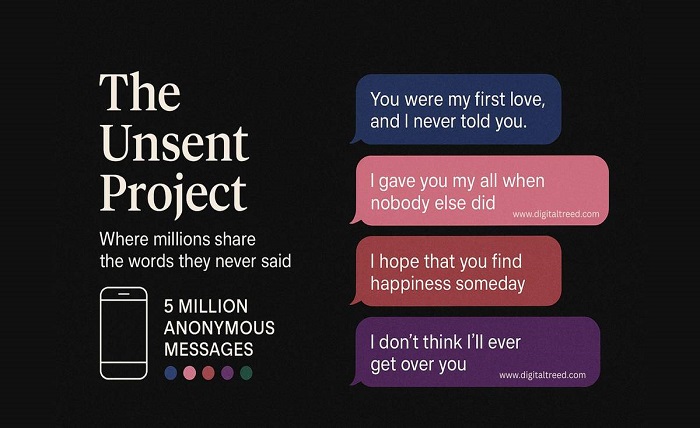
At its core, the unsent project is an online art project that collects anonymous messages people never sent to someone important in their lives. These messages are often directed toward first loves, ex-partners, family members, or people who changed someone emotionally.
The idea behind the unsent project is simple yet powerful. Many people carry emotions they never express openly. Instead of keeping those feelings hidden forever, contributors can anonymously share them online. The result is a huge archive of raw human emotions.
What makes the unsent project unique is the emotional honesty found in each submission. Some messages are heartbreaking, while others are filled with gratitude, anger, confusion, or hope. Readers often feel connected because the emotions in the unsent project mirror experiences from their own lives.
Another interesting feature of the unsent project is its use of colors. Contributors select colors they associate with the person they are writing about. These colors create a visual emotional layer that adds even more meaning to the messages.
Because of this emotional authenticity, the unsent project became far more than a simple website. It evolved into a global emotional community.
The Origin and Creator of The Unsent Project
Understanding the history of the unsent project helps explain why it became so popular online. The project was created by artist Rora Blue in 2015 as an artistic exploration of love, memory, and communication.
The original goal of the unsent project was to study how people connect emotions with colors. Participants were asked to submit an anonymous message to their first love and choose the color they associated with that person.
Over time, the unsent project expanded beyond first love. People began sharing messages about friendships, family relationships, grief, mental struggles, and unresolved emotions. This expansion helped the unsent project become more relatable to a wider audience.
The growth of social media platforms like TikTok and Instagram also contributed to the rise of the unsent project. Emotional screenshots and dramatic readings of messages quickly became viral content.
Today, the unsent project contains millions of anonymous submissions and continues to attract readers from around the world.
Why The Unsent Project Became So Popular
One major reason the unsent project became popular is emotional relatability. Almost everyone has experienced feelings they never expressed fully. Reading anonymous confessions on the unsent project makes users feel understood and less alone.
The short message format also plays a huge role in the success of the unsent project. Many submissions are only one or two sentences long, yet they carry intense emotional weight. This style works perfectly for social media sharing and quick emotional engagement.
Another reason for the popularity of the unsent project is anonymity. Contributors feel safe expressing emotions without fear of judgment. Since names are hidden, people can be completely honest.
The visual design of the unsent project also attracts users. The color-coded messages create an artistic atmosphere that feels emotional and aesthetically pleasing at the same time.
Social media influencers and content creators further boosted the unsent project by reacting to emotional submissions in videos. Many users discovered the unsent project through trending TikTok edits, emotional voiceovers, and relatable relationship content.
The emotional vulnerability found in the unsent project continues to attract new audiences every day.
The Emotional Impact of The Unsent Project
The emotional impact of the unsent project is one of the main reasons people return to it repeatedly. Reading anonymous emotions creates a sense of shared human experience.
Many users describe the unsent project as comforting because it reminds them they are not alone in their feelings. Messages about heartbreak, betrayal, regret, and longing often resonate deeply with readers.
Some people use the unsent project as a form of emotional release. Writing an unsent message can help individuals process complicated feelings they struggle to communicate directly.
Others view the unsent project as a form of digital therapy. Although it is not professional counseling, expressing hidden emotions anonymously can sometimes feel therapeutic.
The sadness present in the unsent project also contributes to its emotional power. Many submissions involve missed opportunities, unfinished conversations, and relationships that ended unexpectedly. Readers often see reflections of their own experiences in these stories.
At the same time, the unsent project is not entirely negative. Some messages express gratitude, forgiveness, hope, and personal growth. This emotional variety keeps the experience authentic and deeply human.
How To Use The Unsent Project
Using the unsent project is relatively simple, which contributes to its widespread popularity. Visitors can browse messages by name, color, or emotional category.
Many people search for their own name on the unsent project out of curiosity. Although the messages are anonymous, users sometimes wonder whether someone may have written about them.
Another popular feature of the unsent project is color searching. Since contributors choose colors connected to emotions, browsing by color creates different emotional experiences. For example, red messages may feel intense and passionate, while blue messages often appear sad or reflective.
Submitting a message to the unsent project usually involves writing a short anonymous text and selecting a related color. The process is designed to encourage honesty and emotional openness.
Many users spend hours reading through the unsent project because the messages feel personal and relatable. Even though the writers are strangers, the emotions often feel universal.
The simplicity and emotional depth of the unsent project make it highly addictive for many readers.
Social Media and Viral Trends Around The Unsent Project
Social media played a massive role in transforming the unsent project into an internet phenomenon. Platforms like TikTok and Instagram helped millions discover the project.
TikTok creators often share dramatic readings of messages from the unsent project alongside emotional music and visual edits. These videos frequently go viral because viewers relate strongly to the emotions.
Another trend connected to the unsent project involves couples or friends searching their names together. This creates emotional curiosity and entertainment for viewers.
Many social media users also create aesthetic edits inspired by the unsent project. These edits combine colors, music, poetry, and emotional quotes to recreate the project’s emotional atmosphere.
The viral nature of the unsent project demonstrates how deeply people connect with emotional authenticity online. In a digital world filled with polished content, honest vulnerability stands out.
Influencers, relationship pages, and emotional storytelling accounts continue to reference the unsent project regularly, helping its popularity remain strong year after year.
Criticism and Concerns About The Unsent Project
Although the unsent project is widely loved, it has also received criticism. Some people believe reading emotional anonymous messages too frequently can negatively affect mental health.
Critics argue that the unsent project may encourage emotional obsession or romanticize heartbreak. Constant exposure to sadness and regret can sometimes intensify loneliness for vulnerable users.
Another concern surrounding the unsent project involves privacy. Even though submissions are anonymous, some messages contain highly personal details that may unintentionally reveal identities.
Others question whether the unsent project can become emotionally addictive. Since users continuously search for relatable pain, they may become trapped in emotional nostalgia instead of moving forward.
Despite these concerns, many supporters believe the unsent project provides a healthy outlet for emotional expression. For some users, writing unsent messages offers closure and relief.
Like most emotional platforms online, the experience of the unsent project depends on how individuals interact with it and manage their emotional well-being.
Why The Unsent Project Continues To Matter
Even years after its creation, the unsent project continues to remain culturally relevant because human emotions never become outdated. Love, heartbreak, regret, hope, and longing are universal experiences.
The internet often feels superficial, but the unsent project offers something deeply authentic. People are drawn to emotional honesty because it contrasts with carefully curated online identities.
Another reason the unsent project remains important is its ability to create empathy. Reading anonymous feelings from strangers helps people understand emotions beyond their own experiences.
Younger generations especially connect with the unsent project because digital communication dominates modern relationships. Many emotions today remain trapped in unsent drafts, deleted texts, or unfinished conversations.
As emotional storytelling continues growing online, the unsent project will likely remain one of the internet’s most iconic emotional archives.
Its continued success proves that people still crave real emotional connection, even in anonymous digital spaces.
Conclusion
The unsent project is much more than a collection of anonymous messages. It is a digital reflection of human emotion, vulnerability, and connection. Through millions of unsent confessions, the unsent project allows people to express feelings they may never say aloud.
From heartbreak and nostalgia to healing and hope, the unsent project captures the emotional complexity of modern relationships. Its popularity continues to grow because readers recognize pieces of their own experiences within the messages.
Whether someone visits the unsent project out of curiosity, emotional healing, or artistic interest, the experience often leaves a lasting impression. In a world where many emotions remain hidden, the unsent project gives those feelings a voice.
FAQs
1. What is the purpose of the unsent project?
The purpose of the unsent project is to provide an anonymous space where people can share messages they never sent to someone important in their lives.
2. Who created the unsent project?
The unsent project was created by Rora Blue in 2015 as an artistic experiment involving emotions and colors.
3. Is the unsent project anonymous?
Yes, the unsent project allows users to submit messages anonymously, which encourages honest emotional expression.
4. Why do people search their names on the unsent project?
Many users search their names on the unsent project because they are curious whether someone may have written an anonymous message about them.
5. Is the unsent project real?
Yes, the unsent project is a real online emotional archive containing millions of anonymous user submissions from around the world.