Introduction
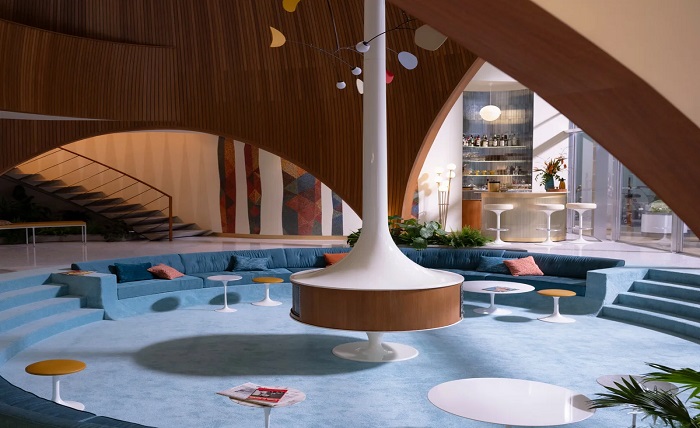
A conversation pit is a recessed seating area built into the floor, designed to encourage relaxed social interaction and intimacy in a shared space. The conversation pit became a defining feature of mid-century modern architecture, offering a sunken lounge that feels both cozy and architecturally bold. In today’s homes, the conversation pit is making a strong comeback as people seek more meaningful, screen-free interactions in their living environments.
The conversation pit creates a natural gathering point where people can sit facing each other, breaking away from traditional sofa layouts. Designers appreciate how the conversation pit blends comfort with geometry, turning a living room into an immersive social zone. Whether in luxury homes or minimalist apartments, the conversation pit continues to inspire architects who want to reimagine shared spaces.
History and Evolution of the Conversation Pit
The conversation pit first gained popularity in the 1950s and 1960s, when architects experimented with open-plan living and built-in furniture concepts. The conversation pit was famously introduced by designer Bruce Goff and later popularized by modernist architects like Eero Saarinen and Alexander Girard. During this era, the conversation pit symbolized futuristic living and social freedom.
In many mid-century homes, the conversation pit was placed near large windows, fireplaces, or entertainment areas to enhance social bonding. The conversation pit quickly became a status symbol in modern architecture, often found in high-end custom homes. However, by the 1980s and 1990s, the conversation pit declined in popularity due to safety concerns and shifting interior design trends toward more modular furniture layouts.
Today, the conversation pit is experiencing a revival as designers revisit retro aesthetics. The conversation pit is now being reinterpreted with softer edges, safer steps, and multifunctional seating arrangements that suit contemporary lifestyles.
Key Design Elements of a Conversation Pit
A well-designed conversation pit relies on depth, seating arrangement, and spatial flow. The conversation pit is typically constructed by lowering a section of the floor and surrounding it with built-in benches or cushions. This creates a natural enclosure that encourages face-to-face communication within the conversation pit.
Materials play a major role in shaping the atmosphere of a conversation pit. Designers often use plush upholstery, wood paneling, or stone finishes to enhance comfort and visual appeal in a conversation pit. Lighting is also crucial, as a conversation pit benefits from warm ambient lighting or hidden LED strips that highlight its sunken structure.
Another essential element of a conversation pit is accessibility. Modern versions of the conversation pit include wide steps, gentle slopes, or modular seating that makes entry and exit easier while preserving the intimate feel of the conversation pit.
Modern Interior Trends Featuring Conversation Pit Designs
In contemporary homes, the conversation pit is being reimagined as a multifunctional living space. The conversation pit is no longer just a retro novelty; it now serves as a lounge, media area, or even a reading nook in modern interiors. Designers incorporate minimalist aesthetics into the conversation pit to align with current architectural trends.
Open-concept homes particularly benefit from a conversation pit, as it helps define space without walls. The conversation pit also works well in luxury apartments where maximizing social interaction is a priority. Many interior designers now combine smart home technology with the conversation pit, integrating speakers, hidden screens, and adjustable lighting.
Outdoor spaces have also embraced the conversation pit, especially in patio and poolside designs. A fire-centered conversation pit creates a dramatic yet inviting atmosphere for evening gatherings. This modern adaptation shows how versatile the conversation pit has become in current design culture.
Social and Psychological Benefits of a Conversation Pit
One of the biggest advantages of a conversation pit is its ability to encourage natural communication. The conversation pit places people at eye level, reducing barriers and promoting equality in conversation. This makes the conversation pit ideal for families, social gatherings, or collaborative discussions.
Psychologically, the conversation pit creates a sense of enclosure and safety, which helps people feel more relaxed and open. The conversation pit also minimizes distractions by focusing attention inward, making conversations more meaningful. In a world dominated by digital screens, the conversation pit encourages face-to-face interaction.
Additionally, the conversation pit supports group bonding by physically bringing people closer together. The circular or square layout of a conversation pit ensures that no one is left out of the conversation, strengthening social connections within the conversation pit environment.
How to Build a Conversation Pit in Your Home
Creating a conversation pit in your home requires careful planning and structural consideration. The conversation pit usually involves lowering a portion of the floor, which may require professional architectural and engineering input. Before building a conversation pit, it is important to assess space availability and ceiling height.
Once the structure is prepared, the conversation pit can be customized with seating, cushions, and flooring materials. Many homeowners choose soft upholstery to enhance comfort in the conversation pit, while others prefer sleek modern finishes like wood or concrete. Lighting design is also essential to highlight the conversation pit as a focal point.
Budget is another factor when designing a conversation pit, as construction can vary depending on complexity. However, even small-scale adaptations of a conversation pit can be created using raised platforms or modular furniture to simulate the effect of a traditional conversation pit.
Maintenance and Challenges of a Conversation Pit
While visually appealing, a conversation pit does come with certain maintenance challenges. Cleaning a conversation pit can be more difficult than standard living room layouts due to its recessed structure. Dust and debris may accumulate more easily in a conversation pit, requiring regular upkeep.
Safety is another consideration for a conversation pit, especially in homes with children or elderly residents. Proper lighting and clearly defined steps are essential to prevent accidents in a conversation pit. Designers often address these concerns by adding railings or soft-edged seating within the conversation pit.
Despite these challenges, the conversation pit remains highly desirable for those who value unique and immersive interior design. With proper planning and maintenance, the conversation pit can remain both functional and visually striking for years.
Conclusion
The conversation pit continues to stand as a powerful symbol of social design and architectural creativity. From its mid-century origins to its modern revival, the conversation pit has evolved into a versatile feature that enhances both aesthetics and human connection. Whether used indoors or outdoors, the conversation pit transforms ordinary spaces into engaging social environments. As more people seek meaningful interaction in their homes, the conversation pit is likely to remain a timeless design choice.
FAQs
1.What is a conversation pit used for?
A conversation pit is used as a sunken seating area designed to encourage social interaction, relaxation, and group conversation in a shared living space.
2.Are conversation pits still popular today?
Yes, the conversation pit has regained popularity in modern interior design, especially in luxury homes and open-concept living spaces.
3.Is a conversation pit expensive to build?
The cost of a conversation pit varies depending on structural changes, materials, and design complexity, making it a moderate to high-budget feature.
4.Can a conversation pit be added to an existing home?
Yes, a conversation pit can be added to existing homes, but it often requires renovation work such as floor modification or platform construction.
5.What are the disadvantages of a conversation pit?
A conversation pit may present challenges like difficult cleaning, safety concerns, and higher construction costs compared to standard seating layouts.