The Foundations of Greatness in European Football
European football has produced some of the most successful and respected clubs in sporting history. These teams have earned global recognition through decades of excellence, remarkable achievements, and a commitment to maintaining high standards on and off the pitch. Fans from every continent admire these clubs because they consistently demonstrate the qualities required for long-term success. Many football enthusiasts who follow elite competitions through platforms such as 789bet com often recognize that true greatness is not measured solely by trophies but also by culture, leadership, and influence. The strongest clubs create an environment where winning becomes a habit rather than an occasional accomplishment.
Key Characteristics of Elite Clubs
- Strong organizational leadership
- Consistent investment in talent development
- Commitment to competitive excellence
- Global fan engagement
- Long-term strategic planning
These qualities allow clubs to remain competitive across generations and adapt to changes in the football landscape.
Real Madrid and the Standard of European Excellence
Among all European football clubs, Real Madrid is frequently considered the benchmark for success. The Spanish giant has established a reputation for thriving under pressure and delivering outstanding performances in the biggest competitions. Their ability to attract world-class players while preserving a strong club identity has contributed significantly to their enduring dominance.
Factors Behind Their Success
- Exceptional recruitment strategies
- Strong winning mentality
- Historic European achievements
- Ability to perform in crucial matches
- Continuous pursuit of excellence
Real Madrid’s culture emphasizes ambition and resilience. Every generation of players inherits expectations that encourage them to maintain the club’s tradition of success. This mindset has helped the club remain one of football’s most admired institutions.
Bayern Munich and the Power of Consistency
Bayern Munich represents one of the finest examples of organizational stability in football. The German powerhouse has dominated domestic competitions while consistently competing at the highest level in Europe. Their success is built on efficient management, disciplined planning, and a clear football philosophy.
Elements of Bayern Munich’s Winning Culture
- Financial responsibility
- Effective youth development systems
- Strong club governance
- High-performance standards
- Sustainable long-term growth
Unlike many clubs that experience cycles of success and decline, Bayern Munich has maintained remarkable consistency. Their ability to combine business excellence with sporting achievement has become a model for organizations across the football world.
Manchester United and a Legacy Built on Leadership
Manchester United remains one of the most influential football clubs in Europe. The club’s reputation was strengthened through decades of success that inspired millions of supporters worldwide. Strong leadership and a commitment to attacking football helped shape the club’s identity and contributed to its remarkable legacy.
Defining Features of Manchester United
- Emphasis on youth development
- Strong connection with supporters
- Historic domestic achievements
- Global commercial influence
- Competitive mentality
The club’s history demonstrates how effective leadership can transform an organization into a global sporting brand. Even during challenging periods, the legacy of success continues to inspire future generations.
AC Milan and the Tradition of Football Excellence
AC Milan has long been recognized as one of Europe’s most prestigious football institutions. The Italian club built its reputation through tactical innovation, elite player development, and success in international competitions. Their history reflects the importance of combining technical quality with strategic intelligence.
Reasons for Their Enduring Reputation
- Historic European triumphs
- World-class defensive traditions
- Strong football philosophy
- Development of legendary players
- Commitment to excellence
Throughout different eras, AC Milan has demonstrated an ability to adapt while preserving its core values. This balance between tradition and innovation has allowed the club to remain relevant in modern football.
Barcelona and the Influence of a Unique Football Identity
Barcelona is admired not only for winning trophies but also for promoting a distinctive style of play. The club’s philosophy has influenced football development around the world and inspired countless teams to prioritize technical skill and creativity. Many supporters who discuss football communities or search for updates through terms such as 789bet dang nhap often highlight Barcelona’s contribution to the evolution of the modern game.
Core Elements of Barcelona’s Legacy
- Strong youth academy system
- Technical and possession-based football
- Development of iconic players
- Global cultural influence
- Commitment to attractive football
Barcelona’s success demonstrates that a club can achieve greatness while remaining faithful to a unique sporting identity. Their philosophy continues to inspire coaches and players across all levels of football.
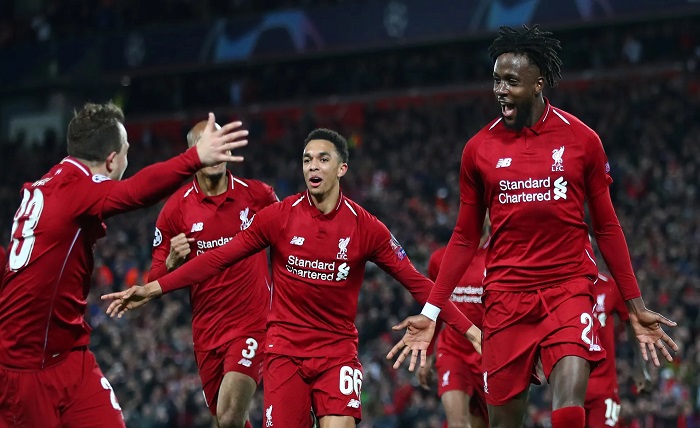
Liverpool and the Strength of Collective Spirit
Liverpool has established itself as one of the most respected football clubs in Europe through determination, unity, and passion. The club’s remarkable history includes numerous domestic and international achievements that have strengthened its reputation among football supporters worldwide.
Important Aspects of Liverpool’s Success
- Strong team-oriented culture
- Exceptional fan support
- Historic European performances
- Effective leadership structures
- Resilience during difficult periods
Liverpool’s identity is closely connected to collective effort. Players, coaches, and supporters contribute to an environment where dedication and commitment are valued as highly as individual talent. This culture has been central to the club’s enduring success.
Why These Legendary European Football Teams Continue to Define Success and Inspire Future Generations Across World Football
The greatest European football teams have earned their status through more than trophies alone. Clubs such as Real Madrid, Bayern Munich, Manchester United, AC Milan, Barcelona, and Liverpool have created lasting legacies based on leadership, culture, innovation, and consistency. Their achievements demonstrate that sustainable success requires vision, discipline, and a commitment to excellence at every level of an organization.
Lessons from Their Lasting Legacy
- Winning cultures are developed over time
- Strong leadership influences long-term success
- Youth development remains essential
- Club identity strengthens competitiveness
- Consistency creates enduring greatness
These legendary teams continue to shape the future of football by setting standards that others strive to reach. Their histories provide valuable lessons for clubs, players, and supporters, ensuring that their influence will remain a significant part of the sport for many years to come.