Introduction
A lunchnewsletter is becoming one of the most effective ways for creators, businesses, and marketers to connect with readers during the middle of the day. People often check emails during lunch breaks, making a lunchnewsletter the perfect opportunity to deliver curated news, updates, promotions, and engaging stories. Whether you are running a blog, an online business, or a personal brand, a well-crafted lunchnewsletter can significantly improve audience engagement.
The popularity of the lunchnewsletter format has increased because readers prefer short, informative, and easy-to-read content during busy schedules. Unlike long reports or promotional emails, a lunchnewsletter provides quick insights that people can enjoy while eating lunch or taking a short break from work.
Why a Lunchnewsletter Matters for Modern Marketing
A lunchnewsletter matters because email marketing continues to provide one of the highest returns on investment in digital marketing. Businesses use a lunchnewsletter to stay connected with subscribers consistently without overwhelming them with excessive promotional content.
The timing of a lunchnewsletter also plays a huge role in its success. Midday emails often receive higher open rates because people are checking their phones during lunch breaks. A carefully designed lunchnewsletter can increase clicks, website traffic, and customer loyalty.
Another important reason a lunchnewsletter matters is personalization. Readers appreciate receiving tailored recommendations, industry news, or entertainment during a relaxing moment of the day. This makes the lunchnewsletter feel more valuable and less intrusive.
How to Create an Effective Lunchnewsletter
Creating a successful lunchnewsletter requires planning, consistency, and creativity. The first step is identifying your target audience. A lunchnewsletter for students will look very different from one designed for business professionals or food lovers.
The subject line of your lunchnewsletter should be short, engaging, and curiosity-driven. Strong subject lines encourage readers to open the email immediately. For example, phrases like “Today’s Best Lunchnewsletter Picks” or “Quick Midday Updates in Your Lunchnewsletter” can attract attention.
The content inside your lunchnewsletter should remain concise and easy to scan. Use bullet points, short paragraphs, and headlines to improve readability. Most readers do not want to spend 20 minutes reading a lunchnewsletter during lunch.
Including visuals is another excellent strategy. Images, infographics, or GIFs can make a lunchnewsletter more visually appealing and enjoyable. However, avoid excessive graphics that slow loading times.
Best Content Ideas for a Lunchnewsletter
Choosing the right content is essential for any lunchnewsletter. Readers subscribe because they expect useful, entertaining, or informative updates regularly. One popular idea for a lunchnewsletter is curated industry news. This works especially well for technology, business, and finance audiences.
Another effective idea for a lunchnewsletter is sharing productivity tips or motivational quotes. Since many readers are in the middle of their workday, positive and practical advice can improve engagement.
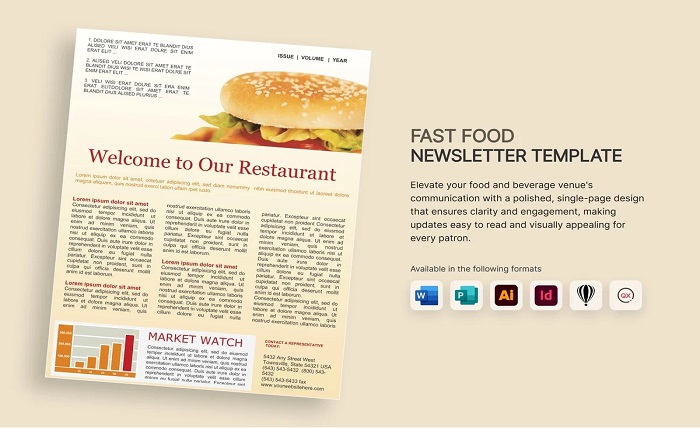
A food-themed lunchnewsletter can include recipes, restaurant reviews, or healthy eating tips. This approach works well because lunchtime naturally connects with food-related interests.
Many creators also use a lunchnewsletter to share trending social media stories, podcasts, or video recommendations. Adding variety keeps the lunchnewsletter fresh and exciting for subscribers.
Benefits of Using a Lunchnewsletter for Businesses
Businesses gain several advantages from using a lunchnewsletter as part of their marketing strategy. One major benefit is direct communication with customers. Unlike social media platforms that rely on algorithms, a lunchnewsletter goes directly into a subscriber’s inbox.
A lunchnewsletter also helps businesses build trust and authority. Regularly providing valuable content positions a company as an expert in its field. Over time, readers begin to rely on the lunchnewsletter for information and updates.
Another benefit of a lunchnewsletter is customer retention. Sending useful and entertaining content encourages subscribers to stay connected with the brand. A good lunchnewsletter strengthens long-term relationships and increases repeat customers.
The affordability of a lunchnewsletter is another reason businesses love email marketing. Compared to paid advertising campaigns, a lunchnewsletter can generate strong engagement at a relatively low cost.
Common Mistakes to Avoid in a Lunchnewsletter
Many marketers make mistakes that reduce the effectiveness of a lunchnewsletter. One common issue is sending overly long emails. Readers usually want quick information during lunch breaks, so a lunchnewsletter should stay concise.
Another mistake is using too much promotional content. If every lunchnewsletter focuses only on selling products, subscribers may lose interest quickly. Instead, balance promotions with educational or entertaining content.
Poor formatting can also hurt a lunchnewsletter. Large blocks of text make emails difficult to read, especially on mobile devices. A professional lunchnewsletter should use headings, spacing, and clear design elements.
Ignoring analytics is another serious mistake. Monitoring open rates, click-through rates, and subscriber feedback helps improve the performance of a lunchnewsletter over time.
Tools and Platforms for Managing a Lunchnewsletter
Several tools make it easy to create and manage a lunchnewsletter efficiently. Popular email marketing platforms allow users to design templates, schedule emails, and track performance metrics.
Many businesses use automation tools to send a lunchnewsletter at the same time every day or week. Automation saves time and ensures consistency. Consistency is extremely important because readers expect a reliable lunchnewsletter schedule.
Analytics tools are equally important for optimizing a lunchnewsletter. These tools help marketers understand what content performs best and which subject lines attract the most clicks.
Design platforms can also improve the appearance of a lunchnewsletter. Professionally designed templates make emails look more trustworthy and visually appealing.
Future Trends of the Lunchnewsletter
The future of the lunchnewsletter looks promising as email marketing continues to evolve. Personalization will become even more important, allowing each lunchnewsletter to match individual reader preferences.
Artificial intelligence may also transform the lunchnewsletter industry. AI tools can recommend topics, optimize send times, and improve subject lines automatically. This makes creating a successful lunchnewsletter easier than ever.
Interactive content is another growing trend in the lunchnewsletter world. Polls, quizzes, and clickable elements can increase reader engagement and make emails more enjoyable.
Mobile optimization will remain essential because most people read a lunchnewsletter on smartphones. Fast-loading, mobile-friendly designs will continue to dominate email marketing strategies.
Conclusion
A lunchnewsletter is a powerful tool for engaging audiences, building brand loyalty, and sharing valuable content in a convenient format. By focusing on timing, readability, personalization, and quality content, businesses and creators can make their lunchnewsletter highly successful.
Whether you are a beginner or an experienced marketer, investing time in creating a strong lunchnewsletter can lead to long-term growth and stronger audience relationships. As technology continues to improve, the lunchnewsletter will remain an important part of digital communication and marketing strategies.
FAQs
1. What is a lunchnewsletter?
A lunchnewsletter is an email newsletter sent around lunchtime that provides readers with quick updates, news, tips, or entertainment.
2. Why is a lunchnewsletter effective?
A lunchnewsletter is effective because many people check emails during lunch breaks, leading to higher engagement and open rates.
3. How often should I send a lunchnewsletter?
Most creators send a lunchnewsletter daily or weekly depending on audience preferences and content availability.
4. What content works best in a lunchnewsletter?
News updates, productivity tips, recipes, trending topics, and curated resources work very well in a lunchnewsletter.
5. Can small businesses benefit from a lunchnewsletter?
Yes, a lunchnewsletter helps small businesses build customer relationships, increase website traffic, and improve brand awareness at a low cost.